This spring, we were contacted by Huma Baig, one of six siblings from a close‑knit family living in the UK. Three of the siblings, Somara, Javad, and Khurram, have been diagnosed with VPS13A disease. Their story is one of resilience, love, and unwavering determination in the face of challenges that no family should have to face alone.
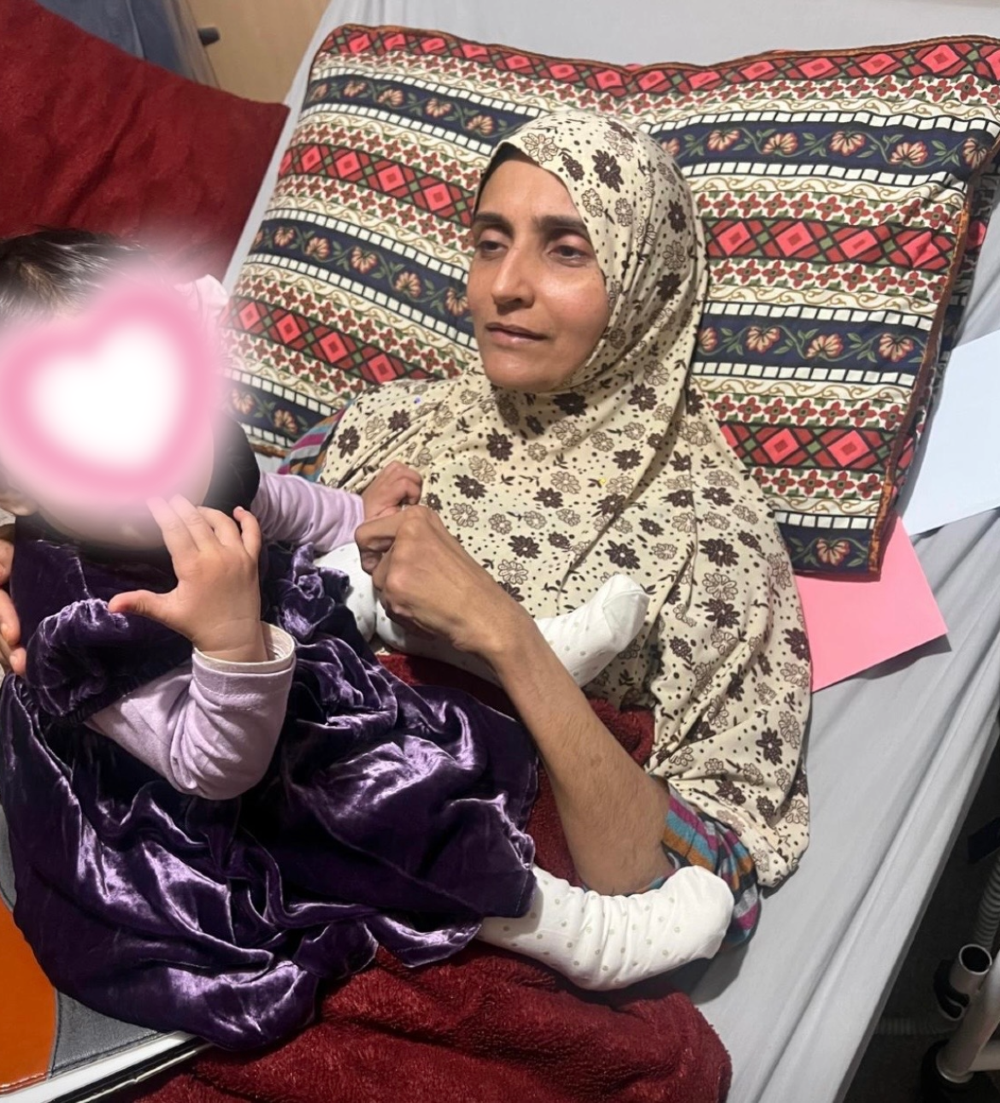 Somara, the eldest, was diagnosed in 2015. As her condition has progressed, she became largely bedridden and is no longer able to leave the house. The family home can’t be adapted to meet her accessibility needs, and there is no space to install a stair lift, leaving her confined to the upper floor. As a result, she has been unable to leave her home or even enjoy fresh air outdoors for at least two years. Despite being on the local authority’s rehousing list for several years, the family is yet to be offered suitable accommodation. Although professional carers visit daily, the majority of Somara’s care is provided by her 77-year-old mother, who is also living with high blood pressure, arthritis, diabetes and a thyroid condition.
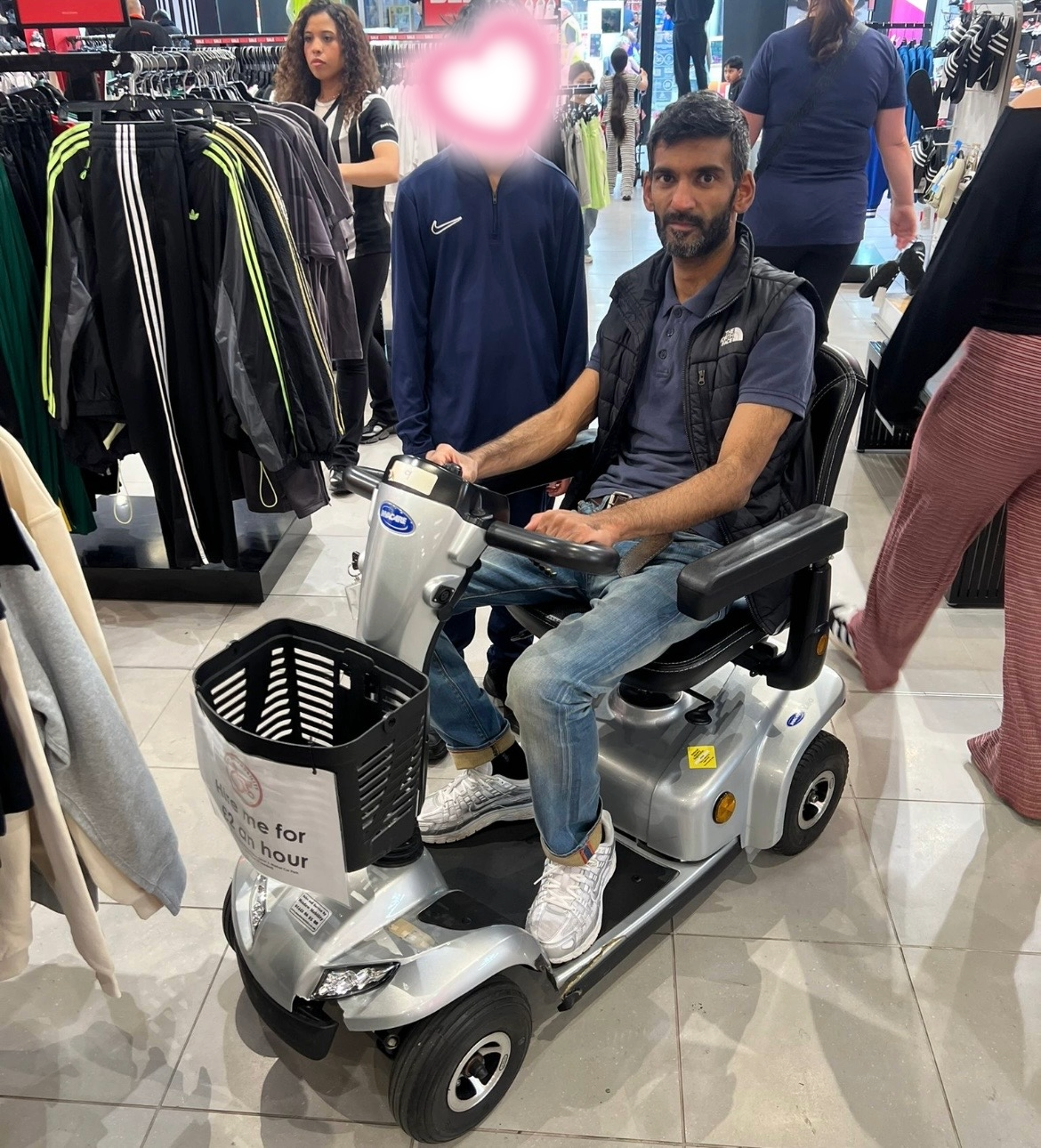 A few years later, Javad also received a diagnosis of VPS13A disease. He experiences mobility difficulties, slurred speech, and problems with eating. Shortly after his diagnosis, he lost his job and has struggled to return to work. Despite having more than 20 years of experience in accounting, and after nearly three years out of employment, he continues to apply to accounting roles every day. Unfortunately, there is always another candidate considered better suited to the position. A devoted father to two children, who live with their mother, Javad has found the combination of physical limitations and unemployment understandably difficult, with a significant impact on his mental wellbeing. He now also lives in the family home, adding to the family’s already considerable caring responsibilities.
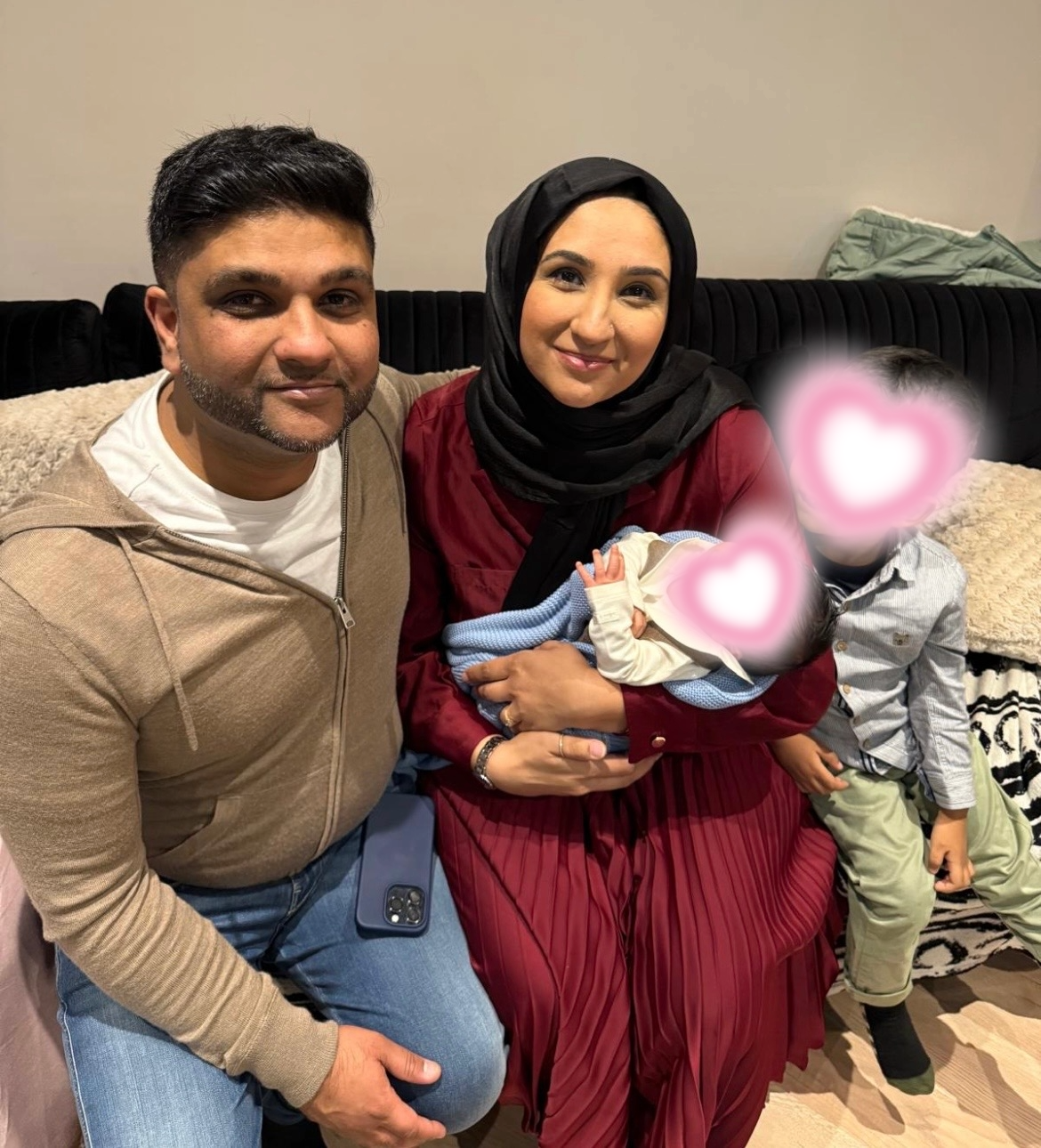 Most recently, the family learned that Khurram, the youngest brother, has also tested positive for VPS13A disease. He and his wife welcomed their first child last autumn after a long journey with fertility challenges, making the diagnosis even more devastating. The struggle between living presently and not letting the anxiety of the inevitable physical, financial and mental impact overwhelm him is incredibly difficult.
With three siblings now living with the same ultra-rare condition, the emotional and practical impact on the family is profound.
Huma said:
“The devastating impact of this condition is simply cruel. One day you’re living a full life, and what feels like the next, you’re struggling to meet even your most basic needs. Those challenges become even harder when you’re fighting an uphill battle against a system where services don’t work together to provide truly holistic care, leaving you waiting in long queues only to repeat information you’ve already shared albeit with a different department. “
Throughout everything they have faced, the Baig family has shown extraordinary strength and compassion. Huma, who works in scientific research, has become a dedicate advocate for her family, coordinating medical information and seeking support. Their middle sister, Homara, spends countless hours navigating complex healthcare and social care systems that are rarely designed for people living with ultra-rare diseases. Both sisters do this while also caring for their own children. Every member of the family contributes in whatever way they are able.
Their story reflects the reality faced by many families living with the NA syndromes: limited awareness, lengthy waits for accessible housing, fragmented health and social care services, and the emotional burden of navigating a rare disease with little support. It is also a powerful reminder of why advocacy, community, research and raising awareness matter. Families like the Baigs should not have to fight for the basic support they need, yet too often they do.
We are deeply grateful to Huma and her family for trusting us with their story and for allowing us to share their experience. Their openness and courage help shine a light on the realities of living with VPS13A disease and the urgent need for greater understanding, better services, and continued research.
With their kind permission, we are helping to raise awareness of their situation and connect them with clinicians, researchers, and support networks, so they know they are not facing this journey alone.
To everyone who continues to support our work, share your experiences, and advocate for better care, thank you. Together, we can build a future where no family affected by the NA syndromes has to face these challenges in isolation.


 Like
Like

