A decade ago, there was hope that comparative studies of NBIA and NA syndromes might advance both fields and three joint NA-NBIA symposia were held in collaboration with the respective patient and scientific communities: in Bethesda, MD, USA (2011), in Ede, The Netherlands (2013) and in Stresa, Italy (2015).
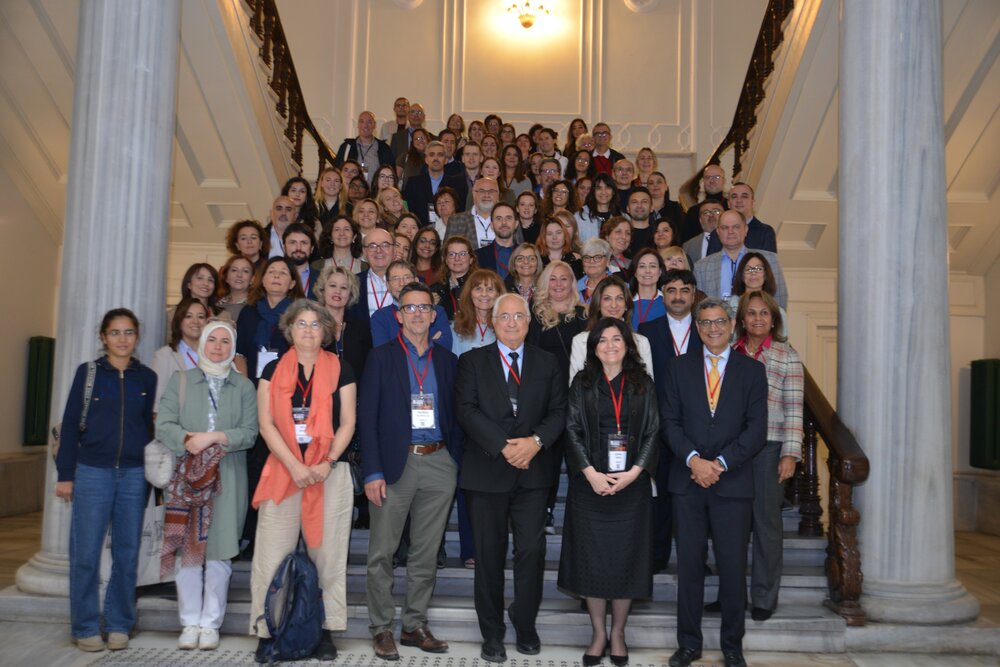
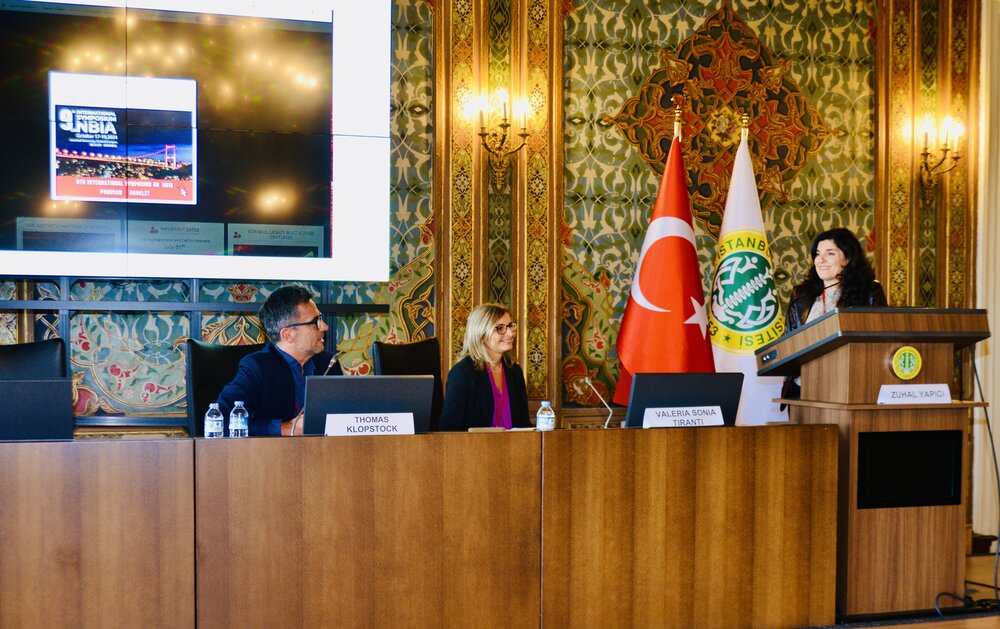
Progress in NBIA, however, developed much quicker than in NA and a considerable number of NBIA subtypes and mechanisms were since discovered: holding symposia together was not felt useful for a time. Nevertheless, contacts were maintained and among the colleagues involved were Zuhal Yapici (Istanbul, Turkey) and Thomas Klopstock (Munich, Germany). They invited Professor Emeritus Adrian Danek, professor of neurology at Munich University and also trustee of the NA Advocacy, as guest of honour to the 9th International Symposium on NBIA.
The topic he presented was "From eponyms to mechanisms: a century of NBIA research" and of course touched upon the NA-NBIA relationship, but also detailed the unethical behaviour later shown by Hallervorden and Spatz (during WWII they obtained research brain specimens through unethical ways; this led to the renaming of the condition to dissociate it from their actions) who had first delineated an NBIA condition. Actually, "NBIA" was coined to avoid the original eponymic designation. The subsequent talks and poster presentations at the three day meeting in Istanbul covered the great variety of heterogeneous NBIA conditions that are known today and raised some hope for causal treatment in a few of them.
As a practical outcome a new collaboration was formed between the Munich group and Dr Lars Kaestner, host of the 11th International Symposium held in 2023 in Homburg, Germany. Systematic studies of the presence of deformed red blood cells, e.g. acanthocytes, will be performed in patients affected by NBIA syndromes that are regularly examined by Professor Klopstock´s Tircon consortium. These studies aim to better characterize the role that acanthocytes may play in PKAN and possibly other NBIA types. This will allow for better comparison with VPS13A and XK disease and might even uncover shared mechanisms, relevant for treatment of the conditions.


 Like
Like

