At a Glance
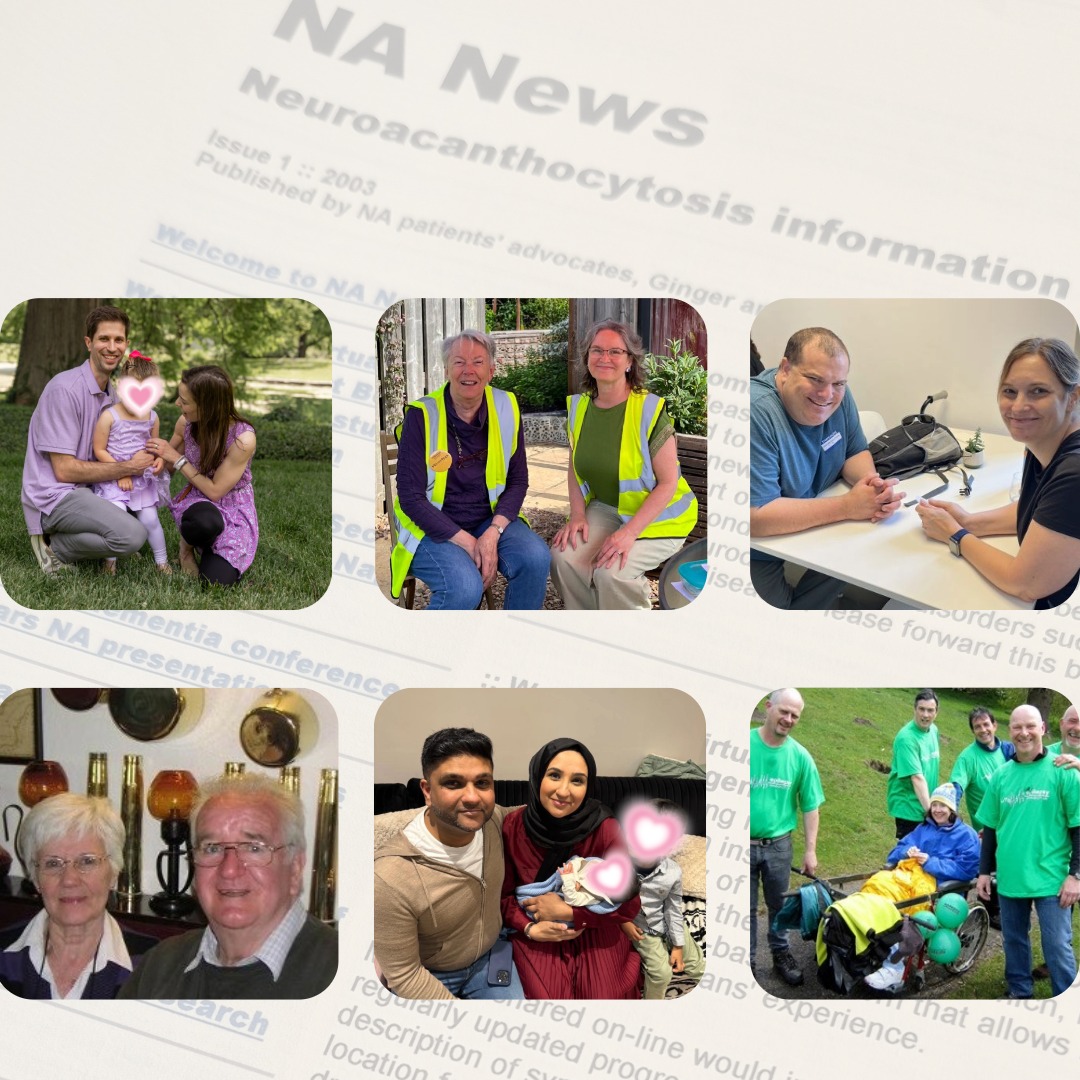
This edition brings together the full heart of our NA community, past, present and future.
We celebrate creative fundraising, support new scientific momentum, introduce Citizen Health, and share powerful stories from the Baigs and the Thomsons.
You’ll find updates from NA Advocacy USA, a look inside Sheila’s inspiring open‑garden fundraiser, and a feature on how your support strengthens research and diagnosis worldwide. We also include a thoughtful piece on legacy giving, a detailed report from the 25th VPS13 Forum, and the first instalment of our new series explaining emerging therapies in clear, accessible terms.
NA News #51 is a rich blend of lived experience, scientific progress, and community action, a reminder of how every voice and every effort helps move us forward.
|
 | |
Two Decades of Dedication
Celebrating Gill and Gordon Parry’s Fundraising
by Despina Dinca & Ginger Irvine
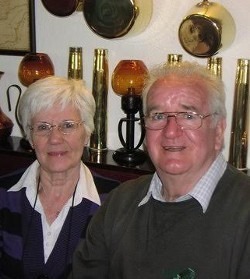 For more than twenty years, the village of Hawarden and the surrounding North Wales community have come together in support of NA research, thanks to the remarkable dedication of Gill and Gordon Parry. For more than twenty years, the village of Hawarden and the surrounding North Wales community have come together in support of NA research, thanks to the remarkable dedication of Gill and Gordon Parry.
For more than twenty years, the village of Hawarden and the surrounding North Wales community have come together in support of NA research, thanks to the remarkable dedication of Gill and Gordon Parry. Their tireless fundraising efforts, inspired by the memory of their children, Sian, David, and Mark, have created a tradition of generosity that continues to uplift our community and strengthen our work.
The annual Hawarden Walk has long been at the heart of these efforts. Each spring, walkers gather on the Gladstone Estate to follow woodland trails, share memories, and raise vital funds for NA Advocacy and epilepsy research. Rain or shine, families, friends, children, and even dogs join in the walk. Over the years, this single tradition has raised tens of thousands of pounds and brought together people from near and far.
The Irvine family, including Alex, VPS13A diagnosed patient, joined the known Hawarden walk for many years. In 2013, Alex was carried with great care by friends of Mark and David for the two-mile Hawarden hike.
But the Parrys’ impact extends far beyond the walk. Their presence at village fairs, carnivals, craft markets, and Christmas events has become a familiar and welcome sight. From handmade crafts and brooch workshops to bustling sales tables and friendly cafés, Gill and Gordon and their friends have turned creativity and community spirit into meaningful support for NA research. Their efforts have often involved entire villages, with cyclists, walkers, church groups, and local choirs joining in to help raise awareness and funds.
One particularly memorable contribution came through music, when Gordon’s former choir director returned to Wales with the Andante Chamber Choir to perform a special concert in support of NA Advocacy. Events like these show how deeply the Parrys’ commitment has resonated with others, inspiring people across North Wales and beyond to lend their voices, talents, and time.
Across countless weekends, fairs, and sponsored challenges, Gill and Gordon have raised well over £100,000 for NA Advocacy and epilepsy research. Their work has supported scientific studies, helped families, and strengthened our ability to raise awareness of NA syndromes. They have kept the memory of their children alive through acts of kindness that continue to ripple outward.
We are profoundly grateful for everything Gill and Gordon have done, and continue to do, for our community. Their dedication reminds us that meaningful change often relies on steady acts of generosity. Their story shows what can happen when compassion becomes a lifelong commitment.
To everyone inspired by their example: thank you. Whether through a sponsored walk, a bake sale, a craft table, a coffee morning, or a simple conversation that spreads awareness, your efforts help us move closer to better understanding, better support, and better futures for those affected by NA syndromes.
| |
Introducing Citizen Health
Building the Foundations of a Global NA Registry
by Dave Asinger & Despina Dinca
We are pleased to share an important step forward in our long‑term goal of building a robust, secure, and patient‑centred registry for VPS13A and XK diseases.
After several months on the waiting list, Citizen Health has officially approved our community to join their upgraded platform. This marks the beginning of a careful, phased process toward creating a registry that can support families, clinicians, and researchers for years to come.
For those who have been with our community in the early years, you may remember that we pioneered a registry with the kind support of our colleagues working in Huntington’s Disease and their registry within the European Huntington Disease Network (EHDN). These efforts gave us valuable experience, but it wasn’t sustainable in the long term, both the running costs and the need for dedicated staffing made it difficult to maintain for such small organisations like ours.
In addition, there is the need for incentives and monitoring, and periodical updating of data entries. Although that database is now dormant, it laid important groundwork and helped shape our understanding of what a future registry should look like and hopefully we may be able to find a way to utilise the historical data held in there and merge with this project.
Citizen Health (https://www.citizen.health) is a US‑based organisation that partners with rare disease groups to help them collect and manage health information in a way that is secure, patient‑controlled, and designed to support future research. Their new platform is currently being rolled out to existing partners, and once that transition is complete, we will be invited to begin our own onboarding. The anticipated timeline is sometime in the autumn 2026, and we’ll keep you posted as the upgrades progress.
For our community, this is a promising development. A registry is a critical tool for rare disease advocates: it helps us understand how many people are affected, how symptoms evolve, and what patterns might guide future research or even clinical trials when we will get at that stage. It also gives patients and their families a structured way to contribute to scientific progress, at their own pace and with full control over their information. The new platform features a personal AI companion which can organise and simplify complex data, record and transcribe doctor visits, answer questions about lab results or medication side effects, and draft insurance appeals, all of this right from your phone.
Although Citizen Health is based in the United States, our intention is to build a registry that serves the global NA community. Patients and their families outside the US are very much part of this vision and are welcome to participate. As we move through the initial setup, we will explore how best to include everyone in a way that respects local regulations. We are committed to ensuring that everyone can take part safely and meaningfully. So if you are based outside of the US, please express your interest by emailing despinadinca@naadvocacy.org.
We hope you understand that we are keen to share the news at this early stage, but further steps will be planned and information will be shared as it becomes available and relevant.
The platform is not yet open for sign‑ups, and data will not be collected until after the onboarding process is complete. We will provide clear guidance when the time comes, including how participation works, what information is needed, and how privacy is protected.
For now, this is simply the first step, a very encouraging one, toward a resource that will grow over time and benefit the NA community in the years ahead.
We look forward to sharing more updates as the process unfolds. This is the beginning of something important!
| |
A Family’s Story
Living With VPS13A and Navigating a System Not Built for Ultra Rare Conditions
by Huma Baig
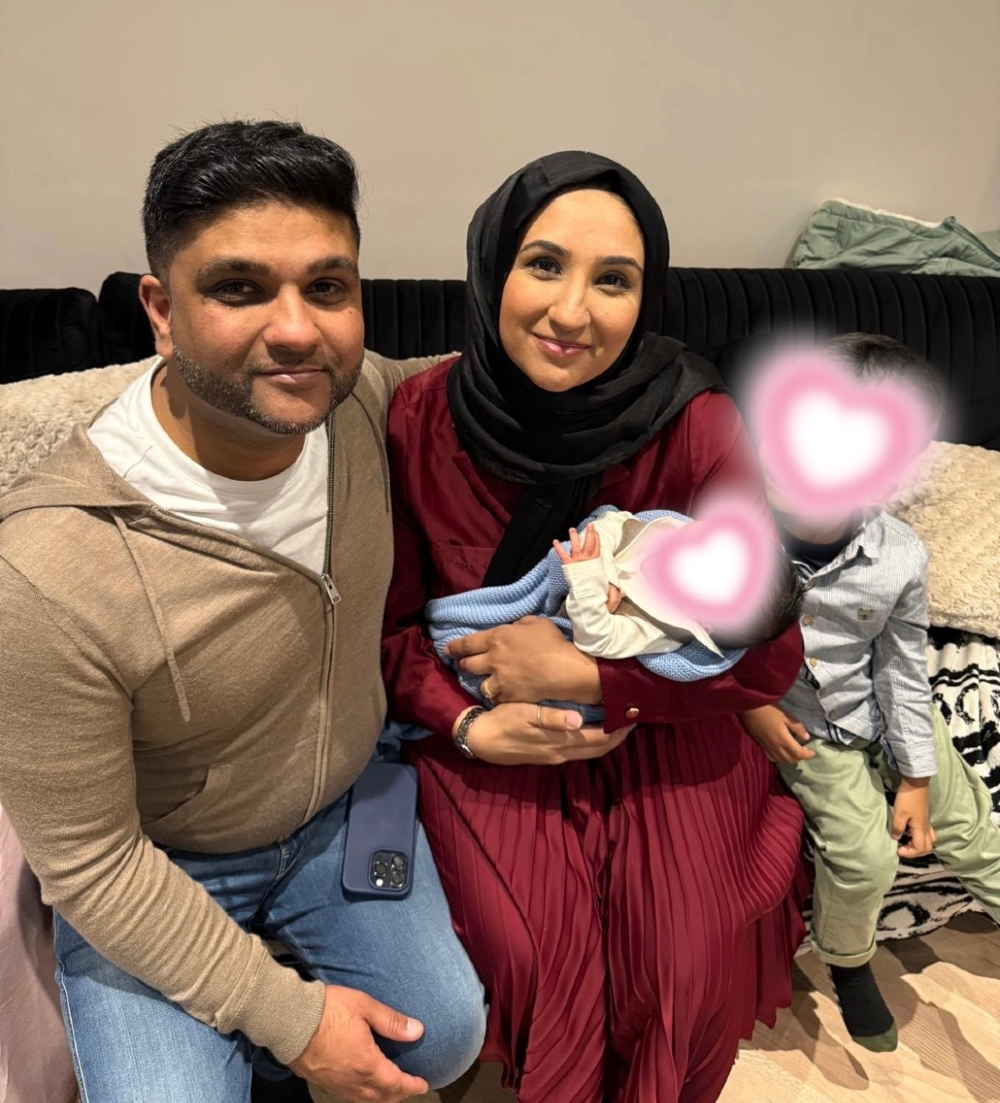
This spring, we were contacted by Huma Baig, one of six siblings from a close‑knit family living in the UK.
Three of the siblings, Somara, Javad, and Khurram, have been diagnosed with VPS13A disease. Their story is one of resilience, love, and unwavering determination in the face of challenges that no family should have to face alone.
This spring, we were contacted by Huma Baig, one of six siblings from a close‑knit family living in the UK. Three of the siblings, Somara, Javad, and Khurram, have been diagnosed with VPS13A disease. Their story is one of resilience, love, and unwavering determination in the face of challenges that no family should have to face alone.
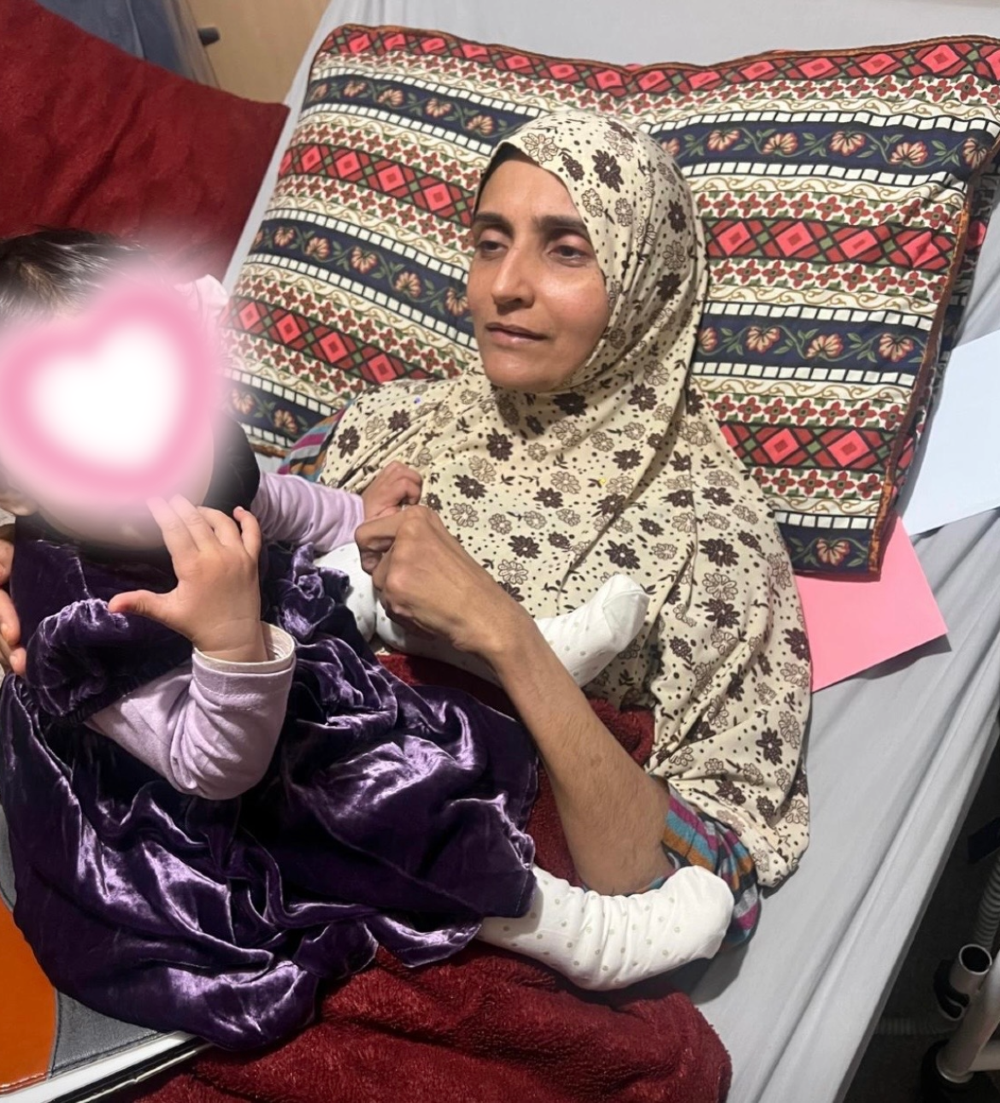 Somara, the eldest, was diagnosed in 2015. As her condition has progressed, she became largely bedridden and is no longer able to leave the house. The family home can’t be adapted to meet her accessibility needs, and there is no space to install a stair lift, leaving her confined to the upper floor. As a result, she has been unable to leave her home or even enjoy fresh air outdoors for at least two years. Despite being on the local authority’s rehousing list for several years, the family is yet to be offered suitable accommodation. Although professional carers visit daily, the majority of Somara’s care is provided by her 77-year-old mother, who is also living with high blood pressure, arthritis, diabetes and a thyroid condition. Somara, the eldest, was diagnosed in 2015. As her condition has progressed, she became largely bedridden and is no longer able to leave the house. The family home can’t be adapted to meet her accessibility needs, and there is no space to install a stair lift, leaving her confined to the upper floor. As a result, she has been unable to leave her home or even enjoy fresh air outdoors for at least two years. Despite being on the local authority’s rehousing list for several years, the family is yet to be offered suitable accommodation. Although professional carers visit daily, the majority of Somara’s care is provided by her 77-year-old mother, who is also living with high blood pressure, arthritis, diabetes and a thyroid condition.
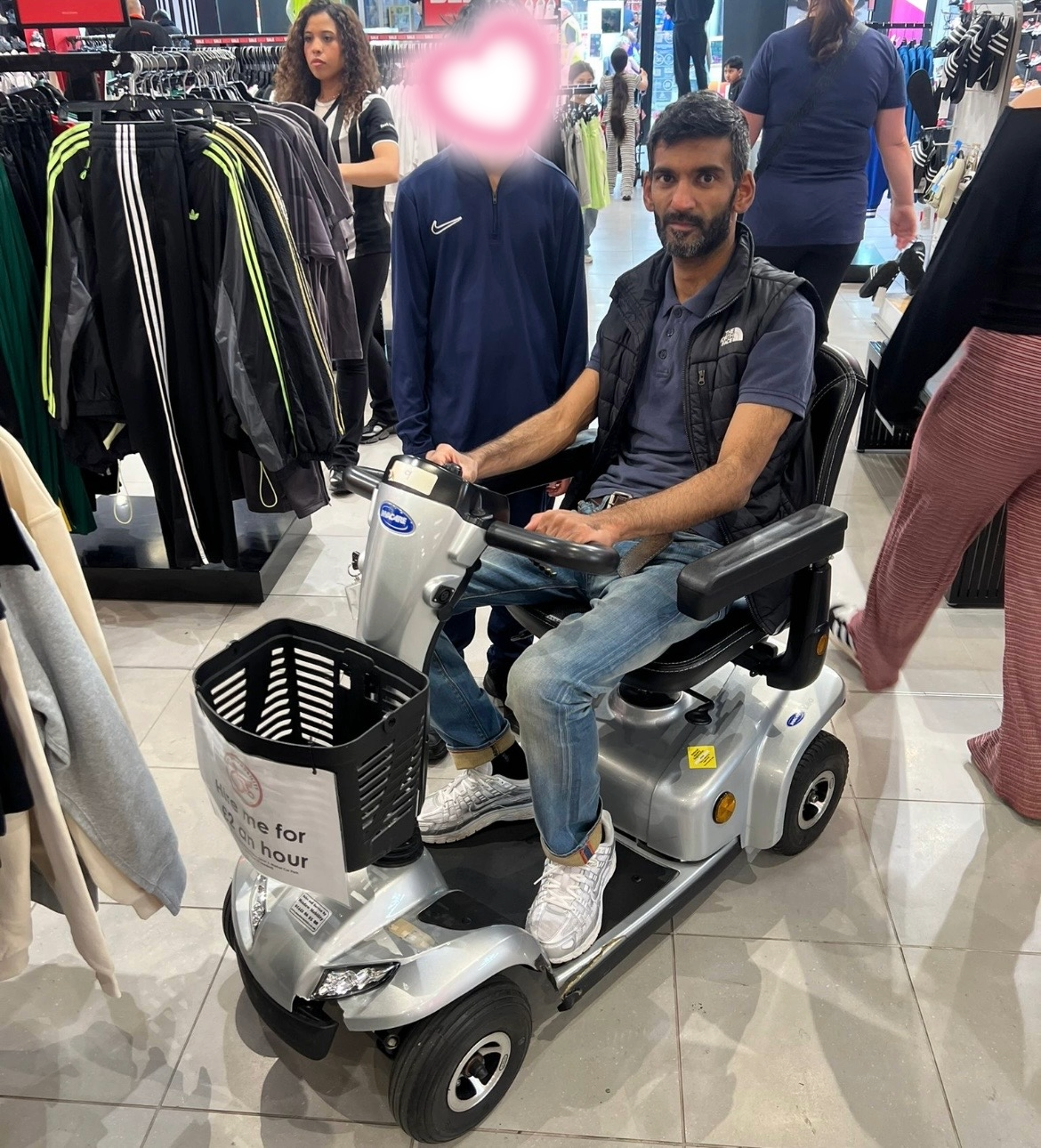 A few years later, Javad also received a diagnosis of VPS13A disease. He experiences mobility difficulties, slurred speech, and problems with eating. Shortly after his diagnosis, he lost his job and has struggled to return to work. Despite having more than 20 years of experience in accounting, and after nearly three years out of employment, he continues to apply to accounting roles every day. Unfortunately, there is always another candidate considered better suited to the position. A devoted father to two children, who live with their mother, Javad has found the combination of physical limitations and unemployment understandably difficult, with a significant impact on his mental wellbeing. He now also lives in the family home, adding to the family’s already considerable caring responsibilities. A few years later, Javad also received a diagnosis of VPS13A disease. He experiences mobility difficulties, slurred speech, and problems with eating. Shortly after his diagnosis, he lost his job and has struggled to return to work. Despite having more than 20 years of experience in accounting, and after nearly three years out of employment, he continues to apply to accounting roles every day. Unfortunately, there is always another candidate considered better suited to the position. A devoted father to two children, who live with their mother, Javad has found the combination of physical limitations and unemployment understandably difficult, with a significant impact on his mental wellbeing. He now also lives in the family home, adding to the family’s already considerable caring responsibilities.
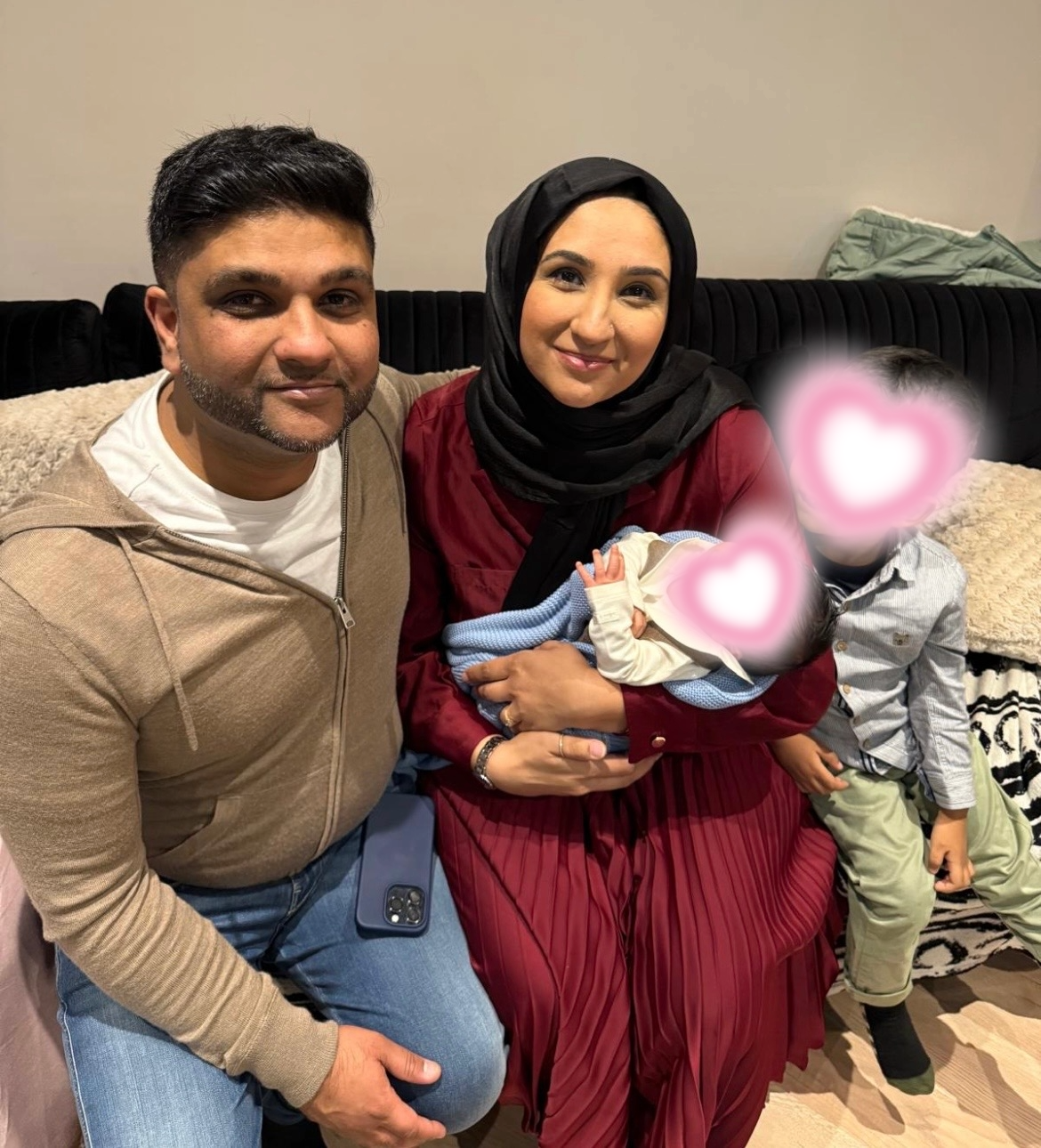 Most recently, the family learned that Khurram, the youngest brother, has also tested positive for VPS13A disease. He and his wife welcomed their first child last autumn after a long journey with fertility challenges, making the diagnosis even more devastating. The struggle between living presently and not letting the anxiety of the inevitable physical, financial and mental impact overwhelm him is incredibly difficult. Most recently, the family learned that Khurram, the youngest brother, has also tested positive for VPS13A disease. He and his wife welcomed their first child last autumn after a long journey with fertility challenges, making the diagnosis even more devastating. The struggle between living presently and not letting the anxiety of the inevitable physical, financial and mental impact overwhelm him is incredibly difficult.
With three siblings now living with the same ultra-rare condition, the emotional and practical impact on the family is profound.
Huma said:
“The devastating impact of this condition is simply cruel. One day you’re living a full life, and what feels like the next, you’re struggling to meet even your most basic needs. Those challenges become even harder when you’re fighting an uphill battle against a system where services don’t work together to provide truly holistic care, leaving you waiting in long queues only to repeat information you’ve already shared albeit with a different department. “
Throughout everything they have faced, the Baig family has shown extraordinary strength and compassion. Huma, who works in scientific research, has become a dedicate advocate for her family, coordinating medical information and seeking support. Their middle sister, Homara, spends countless hours navigating complex healthcare and social care systems that are rarely designed for people living with ultra-rare diseases. Both sisters do this while also caring for their own children. Every member of the family contributes in whatever way they are able.
Their story reflects the reality faced by many families living with the NA syndromes: limited awareness, lengthy waits for accessible housing, fragmented health and social care services, and the emotional burden of navigating a rare disease with little support. It is also a powerful reminder of why advocacy, community, research and raising awareness matter. Families like the Baigs should not have to fight for the basic support they need, yet too often they do.
We are deeply grateful to Huma and her family for trusting us with their story and for allowing us to share their experience. Their openness and courage help shine a light on the realities of living with VPS13A disease and the urgent need for greater understanding, better services, and continued research.
With their kind permission, we are helping to raise awareness of their situation and connect them with clinicians, researchers, and support networks, so they know they are not facing this journey alone.
To everyone who continues to support our work, share your experiences, and advocate for better care, thank you. Together, we can build a future where no family affected by the NA syndromes has to face these challenges in isolation.
| |
Veronica's Story
Finding Joy in the Everyday
by Veronica Thomson & Kim Thomson
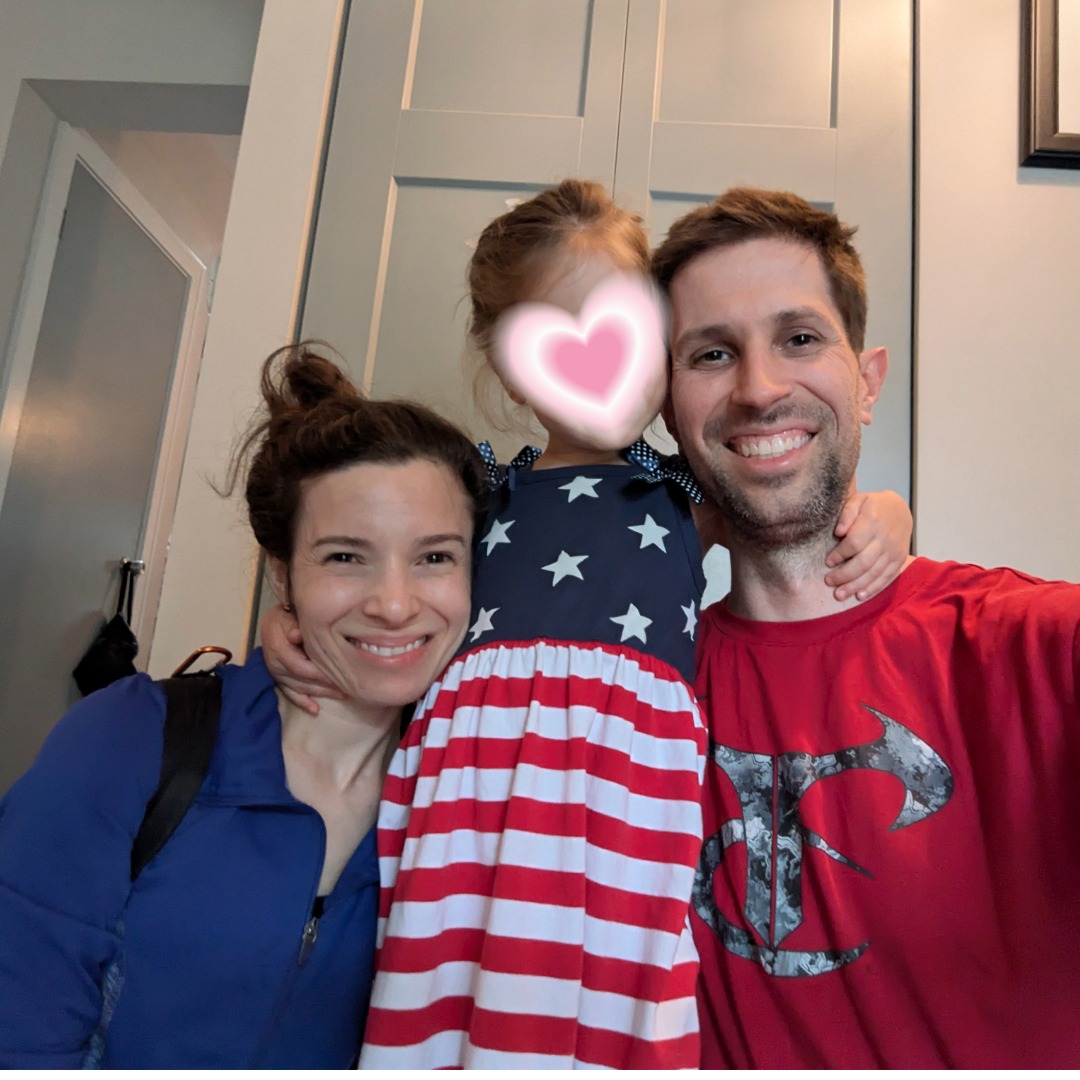
Veronica Thomson is a VPS13A diagnosed patient who lives in the USA with her beautiful family. This is her story.
Veronica Thomson, 36 from Cincinnati, is living with her family in Dublin, Ohio. She and her husband, Mark, met while they were both attending Ohio State University, where Veronica was pursuing a degree in pharmacy, graduating in 2017. In 2020, Veronica and Mark married, adapting their wedding when Covid-19 hit, exchanging a large venue for an intimate backyard ceremony surrounded by close family and friends. They purchased their first home and began building the life they had envisioned together. Almost three years later, they welcomed their daughter, Regina Grace.
If you ask Veronica what brings her the greatest happiness, her answer is simple: her daughter. She treasures watching Regina grow, learn, and discover the world around her. Whether it’s spending mornings at library storytimes or Kindermusik, capturing special moments in photographs and videos, enjoying frequent adventures around Columbus, or simply singing at home, Veronica treasures every opportunity to make memories together. Alongside Mark, she has built a home filled with love, laughter, and an appreciation for life's simple moments.
Veronica is equally passionate about her career as a pharmacist, a profession she worked tirelessly to achieve and one that continues to bring her fulfillment through learning, purpose, and helping others. She continues to work three days a week at a local pharmacy in Columbus called Friends Pharmacy.
Looking back, Veronica realizes her journey with VPS13A began years before she received a diagnosis in July 2024. At first, the symptoms were subtle, small changes that could easily be attributed to stress, fatigue, or countless other everyday explanations. During her pregnancy, however, those symptoms became more noticeable. The most prominent symptom was feeding dystonia. What followed were many months of uncertainty as she searched for answers, undergoing evaluations for conditions including anxiety, Huntington’s disease, and stroke, yet still having no explanation for her symptoms. It wasn't until a neurologist at Nationwide Children's Hospital, Dr. Kevin Flanagan, ordered genetic testing that she finally received the diagnosis of VPS13A disease.
Today, Veronica continues to embrace the life she loves, though some everyday activities require more effort than they once did. Fatigue comes more easily, speaking clearly is a little more difficult, walking has become more challenging, and chewing difficulties have made it harder to enjoy some of her favorite foods. Yet her outlook remains grounded in hope. She believes in the dedication of researchers working toward treatments, and ultimately a cure, and draws strength each day from her family.
Through every challenge, Veronica continues to celebrate her family's milestones, cherish the ordinary moments that mean the most, and faces the future with resilience, gratitude, and unwavering hope.
| |
News from NA-USA
Funding Research and More
by Joy Willard-Williford
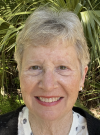 Neuroacanthocytosis Advocacy USA, Inc. has a lot of news to report. Read on and learn more. Neuroacanthocytosis Advocacy USA, Inc. has a lot of news to report. Read on and learn more.
In March, the board of NA-USA, founded in October 2021, executed its fourth grant agreement with the Ichan School of Medicine at Mt. Sinai in New York City. This time the amount was $75,000 to fund a project titled “Single-cell Dissection of Lipid Transport Pathways in VPS13A and XK Disorders.” This brings the total granted over the past five years to the Ichan School of Medicine to $325,000, quite an accomplishment for a nascent nonprofit organization. Several scholarly research articles have resulted, all published in Movement Disorders, the prestigious official Journal of the International Parkinson and Movement Disorder Society. It is important to note that the Advocacy for Neuroacanthocytosis Patients, our sister organization in the UK, is also a supporter of these grants. We are very grateful to our donors who have made this important research into both VPS13A and XK diseases possible.
At its most recent meeting, the board set aside funds to begin exploring the feasibility of funding its own XK cell line. A cell line is a population of genetically identical cells grown in a lab dish (in vitro) from a single original sample. In rare disease research, these renewable cell cultures carry a patient's specific genetic mutation, allowing scientists to study the disease mechanism, test potential drugs, and develop personalized therapies safely outside the human body.
NA-USA was recently approved by Citizen Health for inclusion in its patient registry platform. The official collaboration and onboarding should begin in the fall. You can read more about Citizen Health in Dave Asinger's article in this issue of NA News.
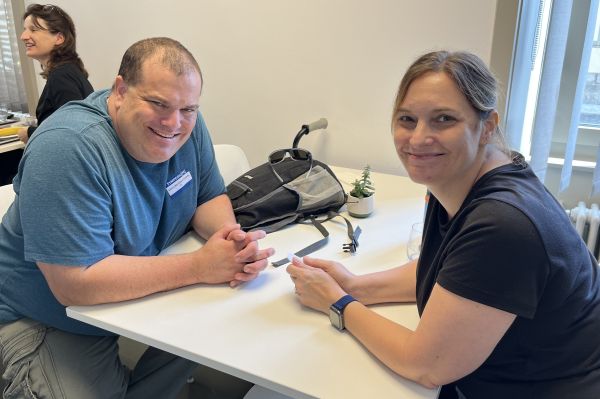 In late July, the board welcomed new member Erin Allino-Berndsen, caregiver to her husband Doug (photo on the right in Lausanne, September 2025), who has XK disease. This brings the total number of board members to ten, with a variety of expertise, talent and experience represented. Members hail from seven states around the continental United States, Puerto Rico, and the UK, and include a clinician, a researcher, a drug industry expert, an XK patient and an XK-carrier, family of both VPS13A and XK patients, and the founder and chair of our sister organization in the UK, all passionately united in their commitment to moving the needle towards patient advocacy, better treatments and a cure for both VPS13A and XK diseases. In late July, the board welcomed new member Erin Allino-Berndsen, caregiver to her husband Doug (photo on the right in Lausanne, September 2025), who has XK disease. This brings the total number of board members to ten, with a variety of expertise, talent and experience represented. Members hail from seven states around the continental United States, Puerto Rico, and the UK, and include a clinician, a researcher, a drug industry expert, an XK patient and an XK-carrier, family of both VPS13A and XK patients, and the founder and chair of our sister organization in the UK, all passionately united in their commitment to moving the needle towards patient advocacy, better treatments and a cure for both VPS13A and XK diseases.
| |
Sheila’s Open Garden Fundraiser
Over a Decade of Creativity, Community, and NA Advocacy
by Ginger Irvine & Despina Dinca
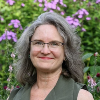
Sheila Averbuch’s Mercat Cottage Garden has long been more than a beautiful space; it has been a place where creativity, generosity and advocacy meet.
Her open‑garden events have grown from a small local fundraiser in 2012 into a blossoming (pun intended!) event in the spring of 2026 that continues to raise awareness of the NA syndromes across the UK.
As someone who has attended the earlier opening myself, I’ve seen firsthand how Sheila’s generosity and imagination create a space where people feel welcomed, inspired, and connected.
I joined again this year, helped Sheila in preparing signage in the area, pricing and displaying plants for sale and joining a volunteer friend taking cash for plant sales; it was delightful to meet and speak to the visitors about the work of our charity. Along with Sheila’s great plant sale, we also sold copies of Alex's book, Cataclysmic Limericks, which brought smiles to the garden guests’ faces.
Back in 2012, Sheila organised her first garden fundraiser after years of supporting NA Advocacy through her gardening blog. She always spoke openly about the importance of sustained funding and the need for small charities to rely on inventive, community‑driven efforts. My husband Glenn and daughter Alex were on hand to add to her volunteers; Alex sold her greeting cards and small refreshments were provided. Sheila’s early plant sale was a simple idea with a powerful message: every act of support helps move NA research forward.
More than a decade later, Sheila’s garden continues to inspire. Visitors often remarked on how approachable and practical her space feels. One attendee shared, “We often visit gardens which are too large to get good ideas for my own garden, but Sheila’s is a perfect size and we’ve gotten many ideas to try at home.” Another added a favourite takeaway: “We learned how to grow raspberries against a wall beside a walkway so they don’t spread too far.”
Sheila also welcomed a garden group from the Scottish Hardy Plant Society led by Margaret Roberts. Their kind contribution is very much appreciated along with part of the Scotland’s Open Garden Scheme entrance fees of over 250 people. This led to Sheila and her team successfully raising over £1,300, part of which is funding a portion of the grant awarded to Dr Kevin Peikert at the University Medical Center in Rostock, Germany for his research into the Western blot testing; you can read more in the article about supporting research.
Following last year’s recognition from BBC Gardeners’ World Magazine, Sheila’s garden was again featured in national publications this spring, bringing NA Advocacy to thousands of readers. And she hopes to open her garden once again in April 2027, continuing a tradition that blends beauty, generosity, and awareness‑raising in a way only she can.
Sheila’s dedication over the years has shown how one person’s creativity can ripple outward, strengthening a community and keeping advocacy for NA syndromes visible. Her garden remains a place where people come to enjoy nature, and leave with a deeper understanding of NA syndromes and the families they affect.
| |
Supporting Research and Diagnosis
Renewed Grants for VPS13A and XK Progress
by Despina Dinca
This year, the NA Advocacy and NA Advocacy USA are proud to continue funding two important projects that reflect our long‑term commitment to both scientific discovery and practical diagnostic support for VPS13A and XK diseases.
If you read our news regularly, these grants will not be entirely unfamiliar to you. These research projects have already delivered valuable insights and services to our community. Although very different in nature, we were delighted to spot some cross-collaboration between the research teams, too.
Mapping VPS13A Signalling Pathways @ University of Verona, Italy
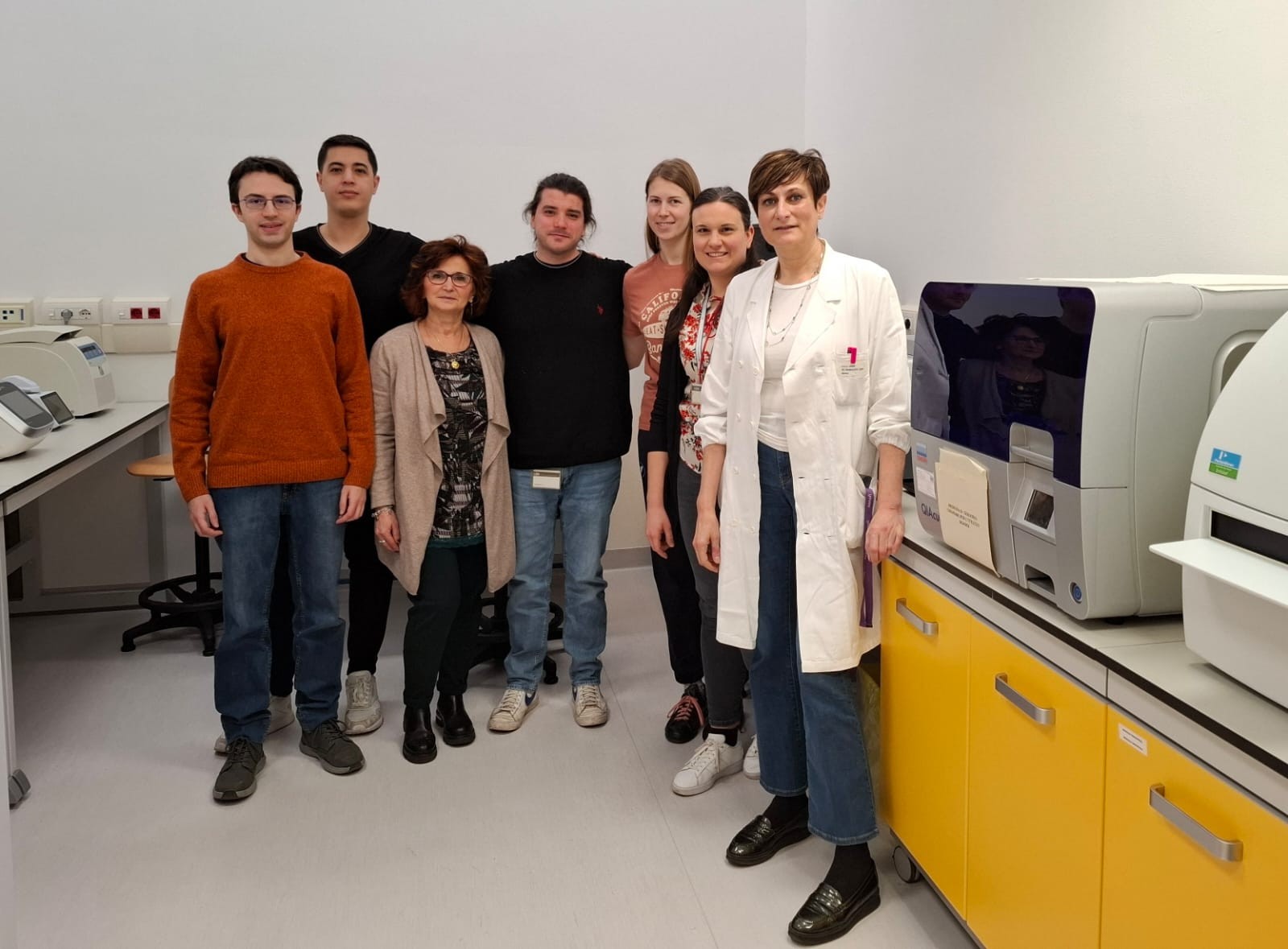 We are renewing our support for Professor Lucia De Franceschi and her team at the University of Verona, who are investigating how VPS13A loss disrupts key signalling pathways in the brain. As her application notes, “much still remains to be investigated on the interactors of VPS13A.” We are renewing our support for Professor Lucia De Franceschi and her team at the University of Verona, who are investigating how VPS13A loss disrupts key signalling pathways in the brain. As her application notes, “much still remains to be investigated on the interactors of VPS13A.”
This is building on earlier findings and the anticipated outcome is a clear picture of the signalling networks most affected by VPS13A loss, a possible foundation for future therapeutic strategies.
Western Blot Testing @ University Medical Center Rostock, Germany
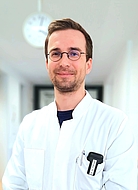 We are also renewing support for Dr Kevin Peikert and his team in Rostock. His lab is the only one in the world to perform the Western blot test. We are also renewing support for Dr Kevin Peikert and his team in Rostock. His lab is the only one in the world to perform the Western blot test.
The test can be requested, conducted and interpreted only under scientific conditions. It provides support to the clinicians and researching colleagues looking to understand if they are to diagnose either of the neuroacanthocytosis (NA) syndromes, VPS13A disease or XK disease.
Part of the funds for this award come from the Open Garden fundraiser organised by Sheila Averbuch, our long-time friend and supporter. The grant provides the funds for the materials needed to perform the Western blot tests by the lab in Rostock, continuing the work of its dedicated predecessors.
We are delighted to continue to fund these interesting projects and we look forward to sharing more about the outcomes as they become available.
| |
Creating a Legacy of Hope for Neuroacanthocytosis Patients
The Gift That Keeps Giving: How Planned Giving Creates a Legacy for Generations
by Roxanne Lestrange
 Roxanne Lestrange, Director of Philanthropy and Operations for the Community Foundation of Brevard in Melbourne, Florida, offers a Planned Giving 101 tutorial. Please note that the article is written from an American perspective, but most of the concepts presented are universal. As always, consult your own financial advisor or attorney on these matters. We encourage you to keep The Advocacy for Neuroacanthocytosis Patients (based in London) and Neuroacanthocytosis Advocacy USA, Inc. in mind when creating your legacy. Roxanne Lestrange, Director of Philanthropy and Operations for the Community Foundation of Brevard in Melbourne, Florida, offers a Planned Giving 101 tutorial. Please note that the article is written from an American perspective, but most of the concepts presented are universal. As always, consult your own financial advisor or attorney on these matters. We encourage you to keep The Advocacy for Neuroacanthocytosis Patients (based in London) and Neuroacanthocytosis Advocacy USA, Inc. in mind when creating your legacy.
We all hope to leave something meaningful behind. For some, that legacy is found in treasured family traditions, cherished memories, or the values passed from one generation to the next. For others, it includes making a lasting difference in the causes and communities they care about most.
Planned giving offers a unique opportunity to do both.
By including a charitable organization in your estate or financial plans, you can create a legacy that extends far beyond your lifetime while helping ensure that vital programs and services continue to thrive for future generations. Planned gifts allow individuals and families to support a mission they believe in while also addressing personal financial, tax, and estate planning goals.
More Than a Gift, A Lasting Legacy
Planned giving is the process of integrating charitable giving into your overall financial and estate plans. Unlike annual donations, many planned gifts take effect in the future, allowing you to make a significant charitable contribution without affecting your current financial security.
For many donors, planned giving represents an opportunity to transform their values into lasting action. It allows them to touch the lives of others, support causes that have shaped their lives, and create meaningful outcomes that will continue long after they are gone.
Just as importantly, planned gifts are often flexible and can be tailored to meet individual goals. Whether your priority is supporting family members, reducing taxes, generating lifetime income, or strengthening a favorite nonprofit organization, there are giving options available to help achieve those objectives.
The Simplicity and Power of a Bequest
One of the most popular forms of planned giving is a charitable bequest.
A bequest is a gift made through a will or trust that directs assets to a charitable organization after your lifetime. Because it can be established through a simple update to existing estate planning documents, a bequest is often considered one of the easiest and most accessible planned gifts.
A bequest can take many forms, including:
- A specific dollar amount
- A percentage of your estate
- Particular assets such as real estate, artwork, investments, or personal property
- A gift from the remaining balance of an estate after other distributions have been made
Many donors appreciate that a bequest costs nothing during their lifetime and remains completely revocable, meaning plans can be changed if circumstances evolve. Charitable bequests may also provide estate tax advantages while allowing donors to continue supporting loved ones and heirs.
Other Meaningful Ways to Give
Planned giving extends far beyond a will or trust. In fact, some of the simplest gifts require only the completion of a beneficiary designation form.
Beneficiary Designations
Retirement accounts, life insurance policies, investment accounts, bank accounts, and annuities can all be used to support charitable causes through beneficiary designations. These gifts are often easy to arrange, avoid probate, and may offer significant tax savings for an estate. Because beneficiary designations can generally be updated at any time, they also provide valuable flexibility.
Gifts of Appreciated Assets
Stocks, mutual funds, and other investments that have increased in value can be powerful charitable gifts. Donating appreciated assets may provide tax benefits while allowing donors to support a mission they care deeply about.
Charitable Gift Annuities
For donors seeking supplemental income, a charitable gift annuity can provide fixed payments for life in exchange for an irrevocable gift. These arrangements offer predictable income while creating a future charitable legacy.
Charitable Remainder Trusts
Charitable remainder trusts allow donors to transfer assets into a trust that provides income to the donor or beneficiaries for a period of time, with the remaining assets eventually benefiting charity. These arrangements can provide income, reduce taxes, and support important causes.
Why Endowment Giving Matters
Many planned gifts are directed to endowment funds, which provide a permanent source of support for nonprofit organizations.
An endowment is designed to preserve the original gift while using a portion of its annual earnings to fund programs, services, and community needs. Because the principal remains intact, endowment gifts continue generating support year after year, often for generations.
Unlike annual contributions that are typically used within a single year, endowment gifts create a perpetual source of funding that strengthens an organization's long-term stability and sustainability. A donor's generosity can continue working decades into the future, helping ensure that important services remain available to the community.
For many families, establishing a named endowment fund is also a meaningful way to honor a loved one, celebrate family values, or recognize a cause that has had a profound impact on their lives.
Leaving Your Mark on the Future
Every legacy begins with a single decision: choosing what matters most.
Whether through a bequest, beneficiary designation, life insurance gift, charitable trust, endowment contribution, or another planned giving vehicle, donors have the opportunity to transform today's values into tomorrow's impact. Planned giving provides a way to care for loved ones, strengthen communities, and support important missions for generations to come.
No matter the size of the gift, the result is the same: a lasting investment in the future and a meaningful expression of the life, values, and causes that matter most.
To learn more about planned giving opportunities, consult your financial advisor, estate planning attorney, or local community foundation to explore options that align with your charitable goals and financial plans.
| |
25th VPS13 Forum Report
New Clinical Developments
by Despina Dinca
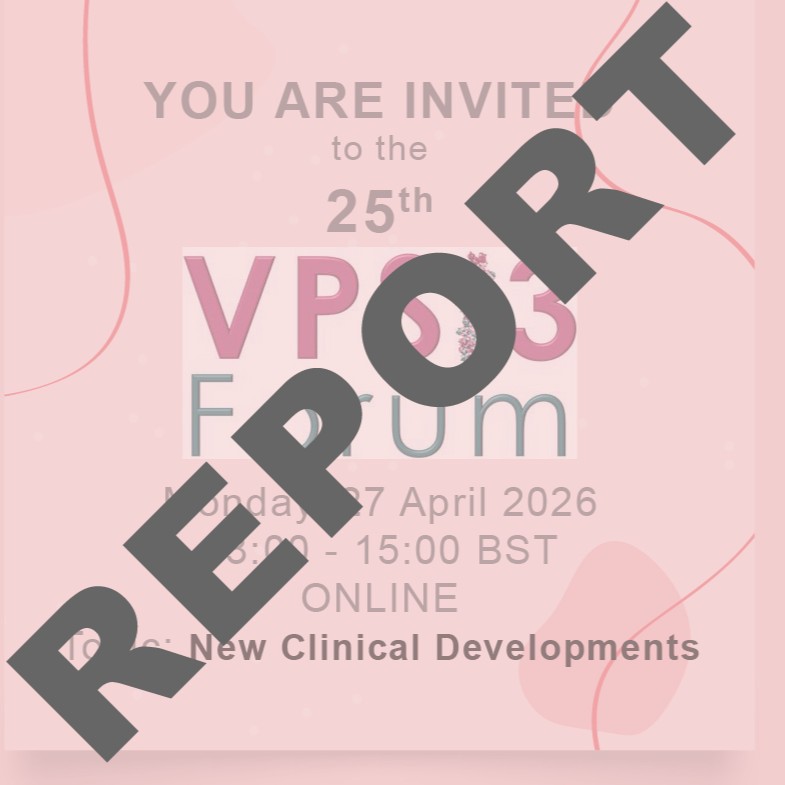 The 25th VPS13 Forum took place on 27 April 2026, moderated by Dr Kevin Peikert along with Professor Ruth Walker and Professor Adrian Danek. The 25th VPS13 Forum took place on 27 April 2026, moderated by Dr Kevin Peikert along with Professor Ruth Walker and Professor Adrian Danek.
This session focused on clinical updates across VPS13A and XK research, alongside news from the advocacies. As the report notes, “The focus was on clinical updates and the presentations were about genetics of VPS13A disease in Puerto Rico, dual genetic findings and gene therapies in movement disorders.”
Advocacy Updates
Ginger, Joy and Despina shared the latest news from NA Advocacy and NA Advocacy USA. The groups gave an overview of their Rare Disease Day activities, updates on NA News, and expressed the gratitude for donors and fundraisers. Joy announced a new research grant awarded to the Icahn School of Medicine. The new members of the Research Advisory Committee were also announced. Ginger closed with a joyful update from Scotland, where long-standing supporter Sheila Averbuch raised over £1,300 through their open garden event.
Scientific Presentations
Genetics of VPS13A Disease in Puerto Rico
Dr Laura Surillo‑Dahdah presented new findings from 17 Puerto Rican patients, revealing multiple founder mutations and a newly identified deletion in exon 27. Her work suggests VPS13A disease may be under‑recognised in Puerto Rico, with diagnosis often significantly delayed. Raising awareness could lead to earlier diagnosis, better care, and appropriate genetic counselling for families.
Dual Genetic Findings: VPS13A and JPH3
Dr Dayany Leonel Boone discussed a complex case involving both a pathogenic VPS13A mutation and an intermediate JPH3 expansion. While the JPH3 expansion is not disease‑causing, the overlap in affected brain regions raises important questions for future interpretation of multi‑gene results.
Gene Therapies in Movement Disorders
Dr Christopher D. Stephen provided an accessible overview of gene therapy approaches. He emphasised that while gene therapy has progressed in ataxias, significant groundwork is still needed for VPS13A and XK, noting challenges such as gene sizes, limited pathophysiological understanding, or no validated biomarkers. XK, being a smaller gene, may be more amenable to future gene‑replacement strategies. Gene therapy is a promising long-term avenue, but a lot more foundational work is needed before it can be applied to VPS13A and XK diseases.
The 27th VPS13 Forum was held on 27 July 2026 and we're working on bringing you the report about the "Current directions in Bridge-Like Lipid Transfer Protein (BLTP) research" soon. The next Forum will be held on 26 October 2026 and we'll confirm the topic nearer the time. In the meantime, check our reports from previous Forums: https://naadvocacy.org/research-forum/.
| |
Understanding Emerging Therapies
PART 1 - Genetic Approaches – A Long-term Path
by Ruth Walker, Kevin Peikert & Despina Dinca
 We are starting a series of articles designed to support our readers in understand what is going on as new therapies emerge in the research world. We are starting a series of articles designed to support our readers in understand what is going on as new therapies emerge in the research world.
We are starting a series of articles designed to support our readers in understand what is going on as new therapies emerge in the research world. We will explore the scientific approaches researchers are investigating for VPS13A and XK diseases.
We will explore three main areas:
- Genetic therapies
- Deep Brain Stimulation (DBS)
- Stem‑Cell approaches.
Each article breaks down one therapeutic area in clear, accessible language, what it is, how it works, and whether it has any potential applicability for the NA syndromes in the future. At the end of the series, once we’ve explained each of these research areas, we will share a comparison of all three against each other.
While none of these approaches are ready for clinical use, research is progressing across multiple fronts and we endeavour to share this with you. Understanding the science helps us follow the journey together.
At the VPS13 Forum on 27 April2026, Dr Chris Stephen from Massachusetts General Hospital in Boston, USA, presented an overview of emerging genetic therapies and how they might one day apply to NA syndromes (see the Forum report). His talk sparked important questions from families about what treatments would be available now, and what may be possible in the future.
Dr Stephen explained that genetic therapies aim to address diseases at their root cause - the gene (encoding for a protein) that isn’t working properly. In both VPS13A and XK diseases (similar to many other genetic disorders), the VPS13A or XK genes contain a change (mutation) that prevents the cell from making a fully functional version of the chorein protein (also known as VPS13A protein) or XK protein. Without these proteins, certain cells (e.g. neurons, red blood cells) become vulnerable over time.
Genetic therapies try to fix this problem in one of three ways:
- Replacing the faulty gene with a healthy one
- Repairing the mutation so the gene works correctly
- Supporting the cell in other ways so it can cope better with the missing protein.
These approaches are not yet applicable for either of the NA syndromes (VPS13A or XK diseases). Before any therapy can be designed, researchers need a detailed understanding of:
- which mutations cause which effects
- how chorein / VPS13A and XK protein works exactly in different cell types
- how to safely deliver a corrected (large) gene into the right brain regions and/or other parts of the body.
And there are many other open questions around this, too, which need to be explored first.
In the wider genetic context, we’ve been asked often about CRISPR (short for “clustered regularly interspaced short palindromic repeats”). We thought it would be helpful to clarify that this is most accurately described as a gene-editing or genome-editing technology. Research scientists use it to selectively modify the DNA of living organisms. In 2023, the UK approved the world’s first CRISPR‑based therapy for sickle cell disease, a major milestone.
However, considering applying CRISPR or other gene therapy methods to NA syndromes is far more complex. At the VPS13 Forum back in November 2023, the conversation on this topic concluded that:
- Everyone with VPS13A disease has 2 copies of the faulty gene, and there are a huge number of different mutations known that cause the disease. At least one of these mutations would need to be corrected to prevent the disease, and to produce normal chorein/VPS13A protein. The brain needs chorein/VPS13A protein, so the faulty gene would need to be repaired or replaced, the protein not removed (as it’s the case for several other genetic disorders).
- Researchers still need to understand exactly how each VPS13A mutation affects the protein and whether it can be corrected.
- For XK the gene is much smaller, and there are fewer mutations, so may be easier to target. People (usually men) with XK disease have one affected XK gene which needs to be corrected.
- The editing of the faulty gene, or the replacement with an unaffected gene needs to be done in the brain, and ideally in all affected regions, some of which are very deep in the brain. Can the gene be delivered by a viral vector such as AAV (short for “adeno-associated virus”, a small, safe virus used in gene therapy to carry healthy genes into human cells)? It’s worth noting that the replacement (not correction of a single mutation) of the complete VPS13A gene is very challenging as it is an extremely large gene.
- Would this only be needed once, or repeated?
- Can we also target other tissues such as heart muscle (in XK), skeletal muscle, and peripheral nerve?
- At present, in most cases people don’t know they have the disease until they develop symptoms. Would the treatment stop the disease progression, or heal affected brain regions? The earlier such a therapy is initiated (ideally during the prodromal (initial, subtle) phase of the disease), the more effective it is likely to be. As the diagnosis of VPS13A/XK disease is often delayed, this represents a particular challenge.
- CRISPR is legal in the UK and USA, but not yet regulated in many other countries.
- Work in related diseases, such as Huntington’s, may offer parallel insights, but NA has its own unique biology. (HD is caused by a completely different type of genetic mutation, a “trinucleotide repeat”, and is autosomal dominant, thus quite different methods are needed to correct the issue)
While CRISPR, as well as other gene therapy methods, is highly specialised and may appear hopeful path for the future, it’s not yet applicable to NA syndromes. More foundational research is needed before gene editing could be considered.
Although these approaches are still at an early stage for NA syndromes, the work being done now is laying the essential groundwork for future progress. Each study, each dataset, and each new insight helps researchers understand the biology more clearly and brings the field one step closer to the point where targeted therapies could be designed and tested. It is careful, methodical science, and, while it takes time, it is moving forward with more momentum and international collaboration than ever before.
|
|
|
|